Hands-on investigations organized by science topic and grade band. Start with a question, make a prediction, collect evidence and explain what the results support.
The current collection has 28 lab files, printable data sheets with answer keys, science skills and browser tools. Standalone topic worksheets and quizzes are not yet a complete library.
COLLECTION MAP LIVE
Life Science8 labs
Physical Science20 labs
Earth & SpacePlanned
Engineering & STEM3 challenges
TOPIC × GRADE BAND × EVIDENCE
// FOUR NGSS SCIENCE DOMAINS
A connected map of science topics
The NGSS organizes core science ideas into four domains and connects them with practices and crosscutting concepts. The cards below show what this site can serve today.
01 / Published investigations
Life Science
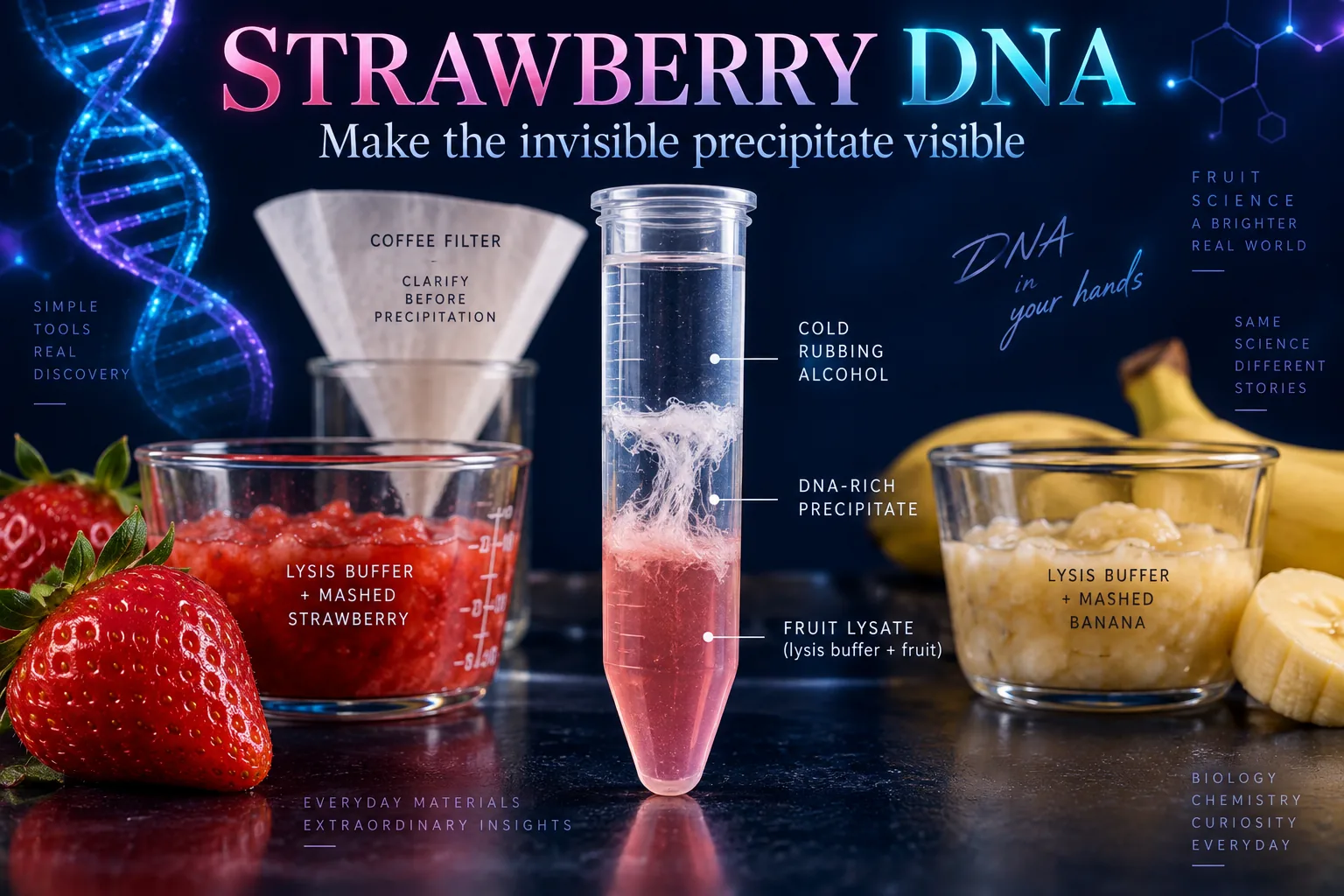
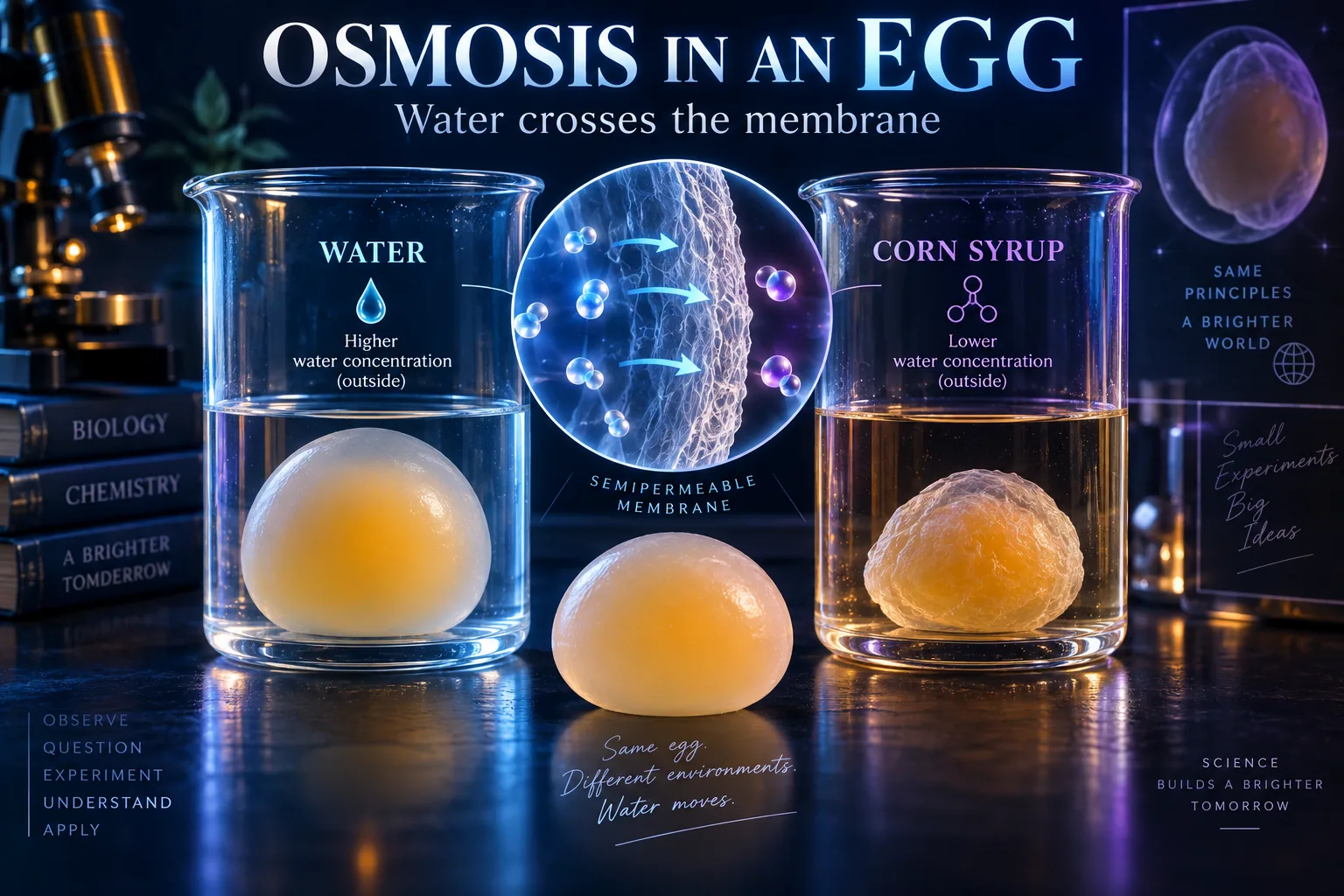
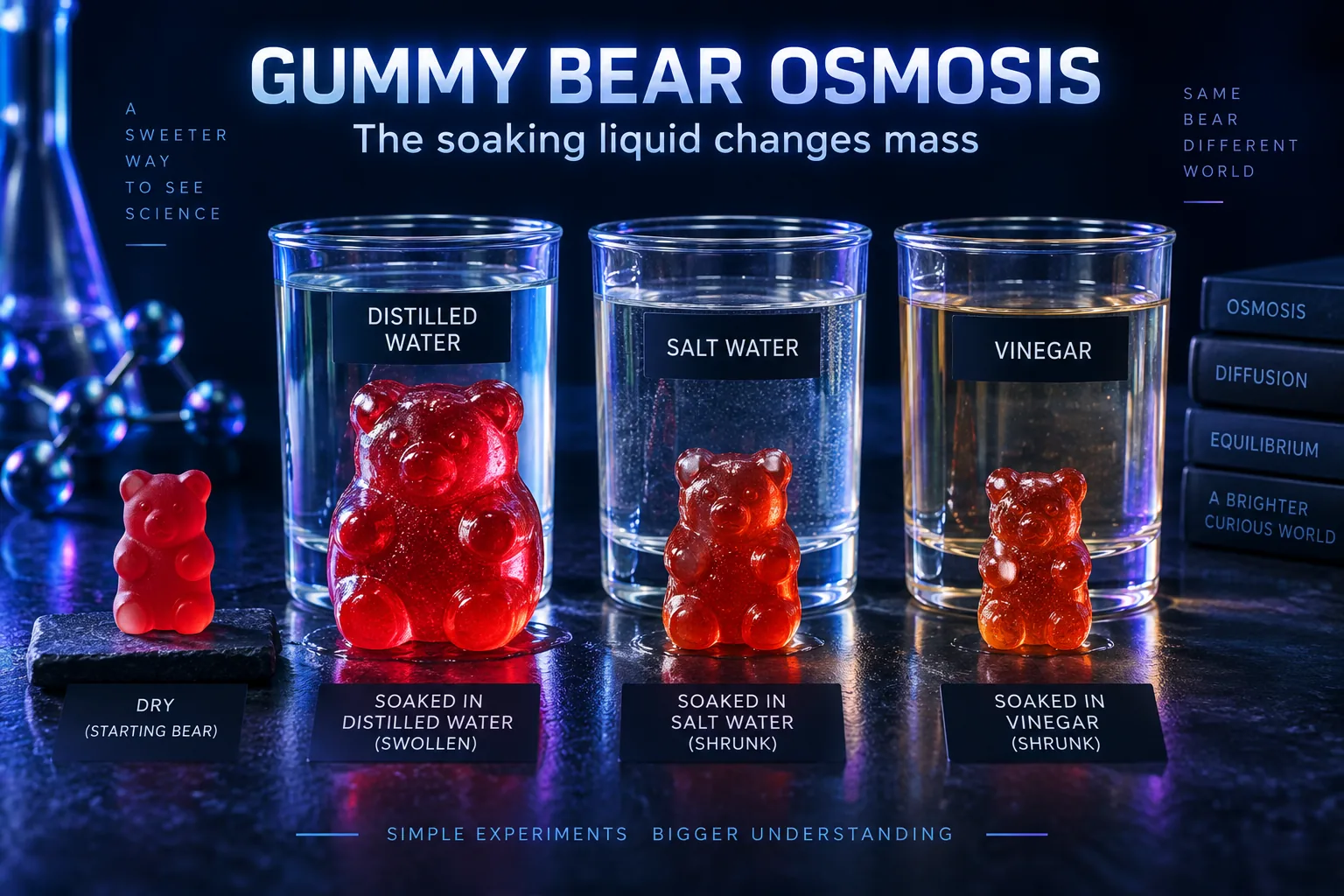
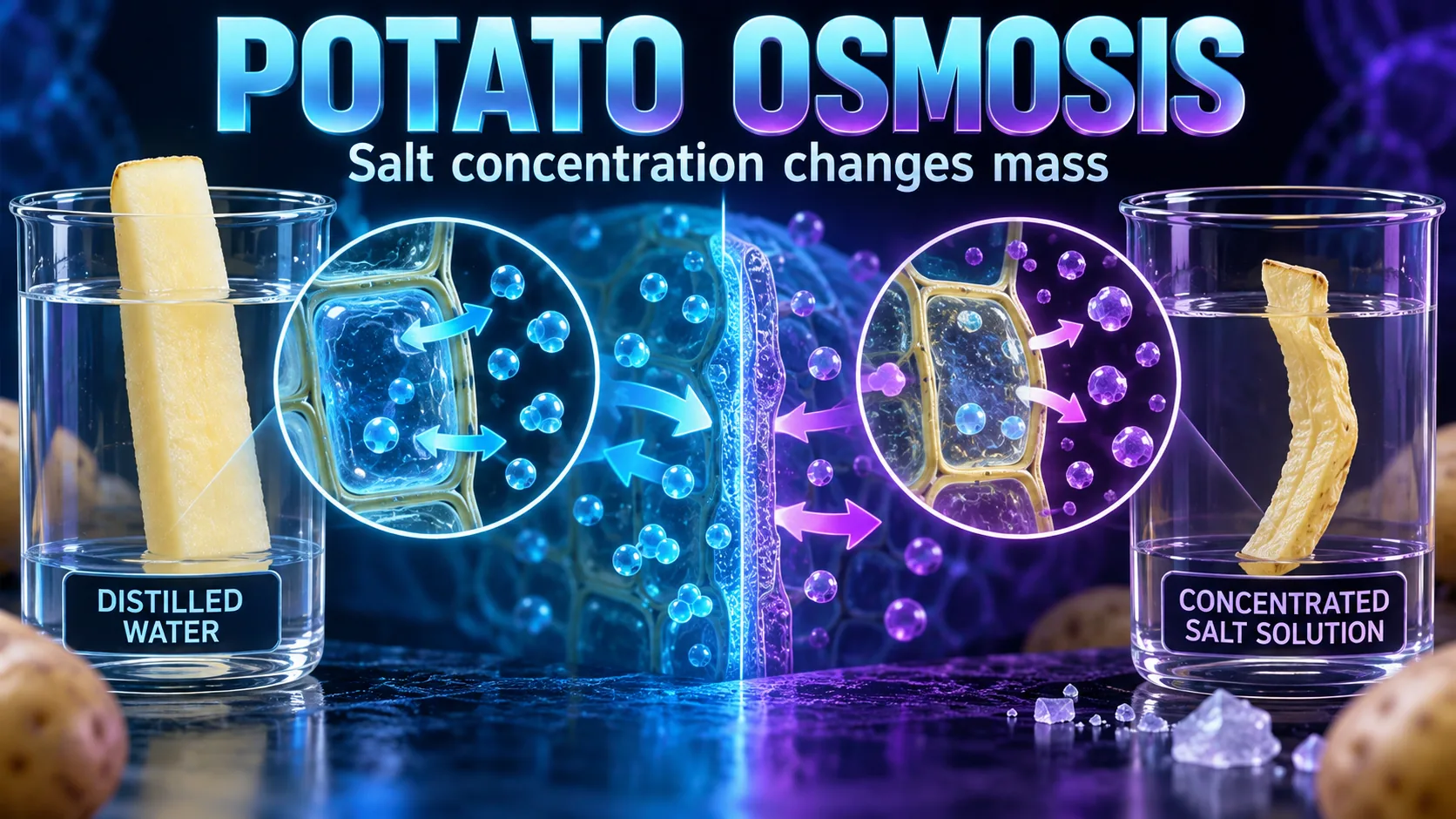
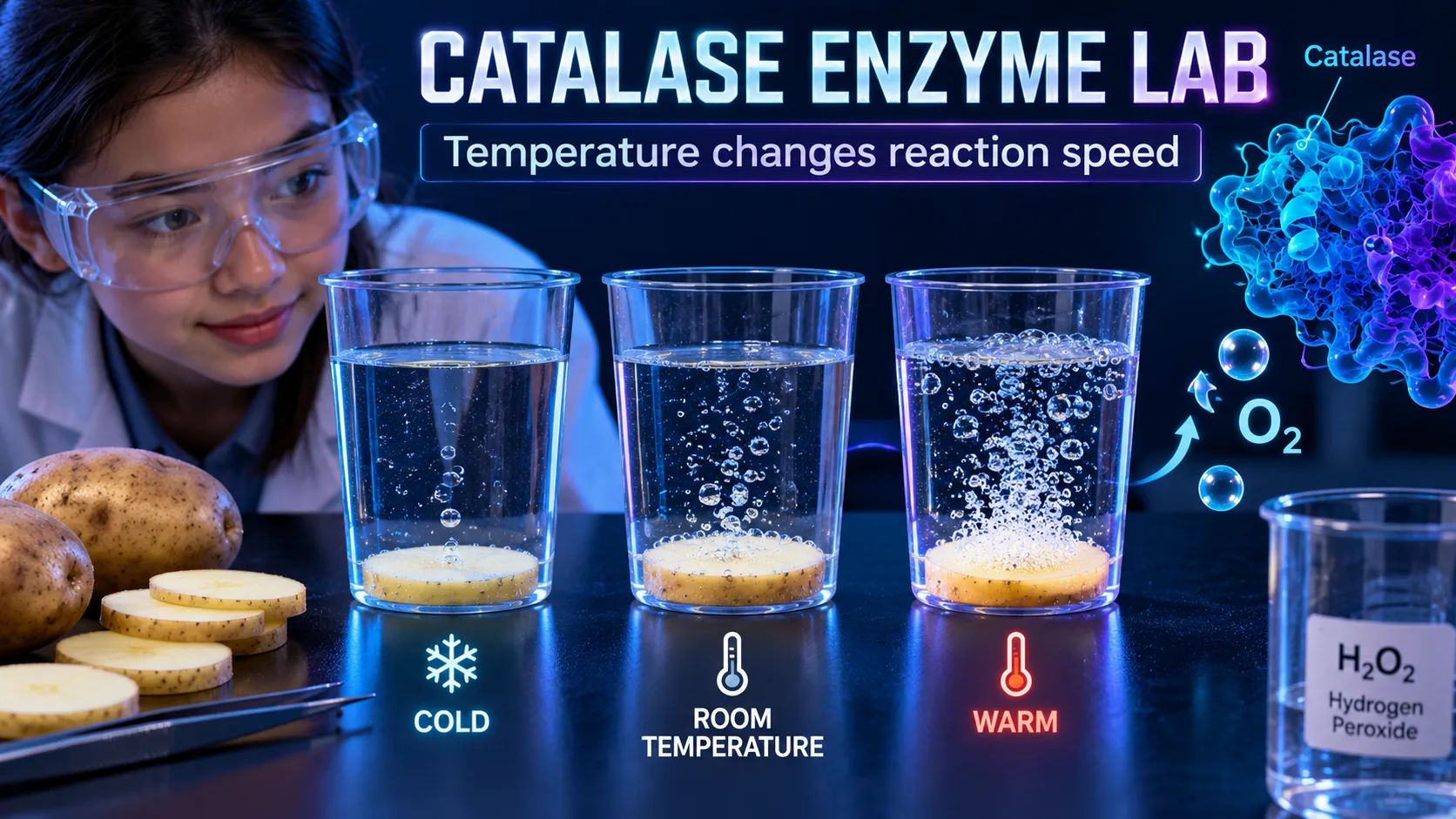
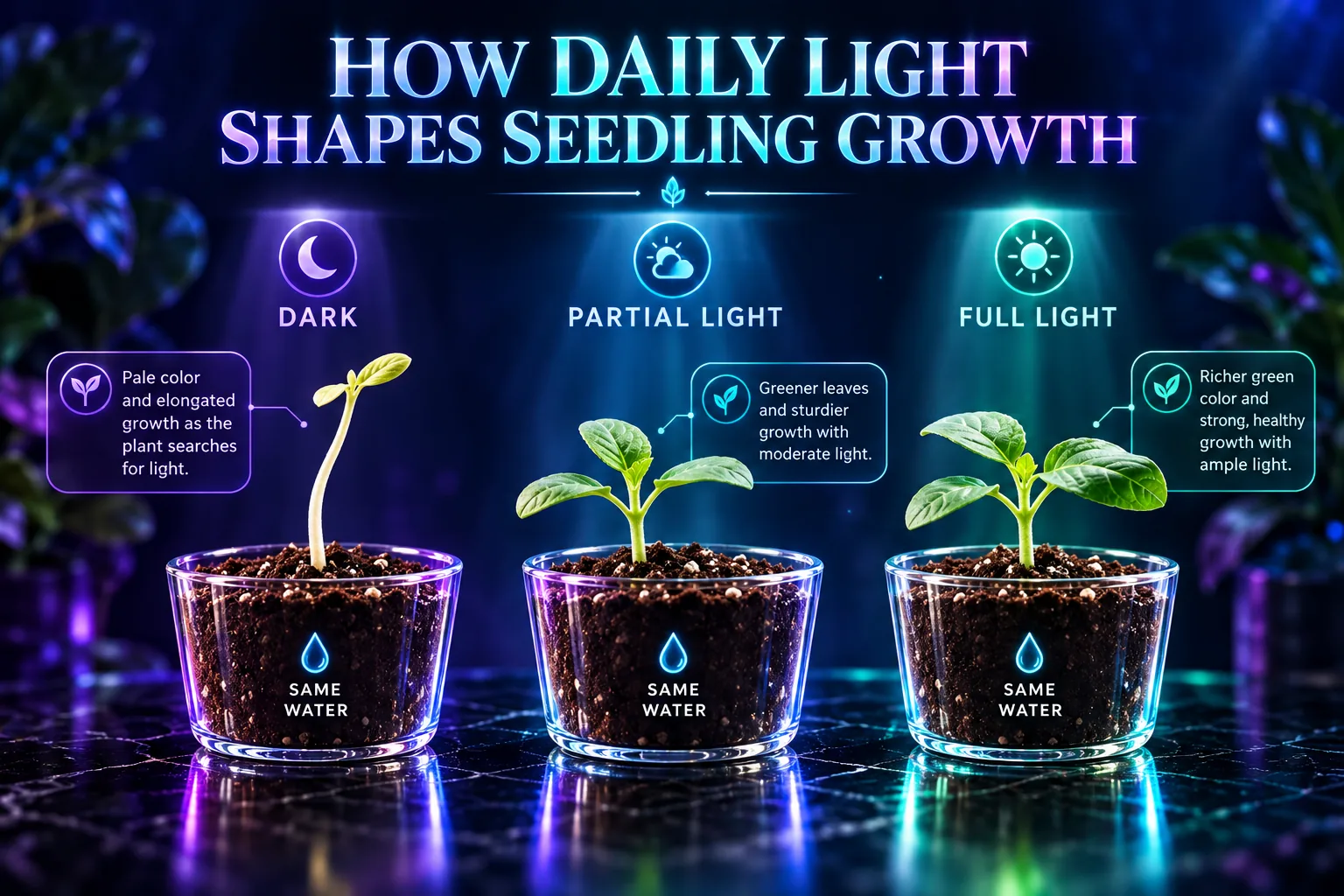
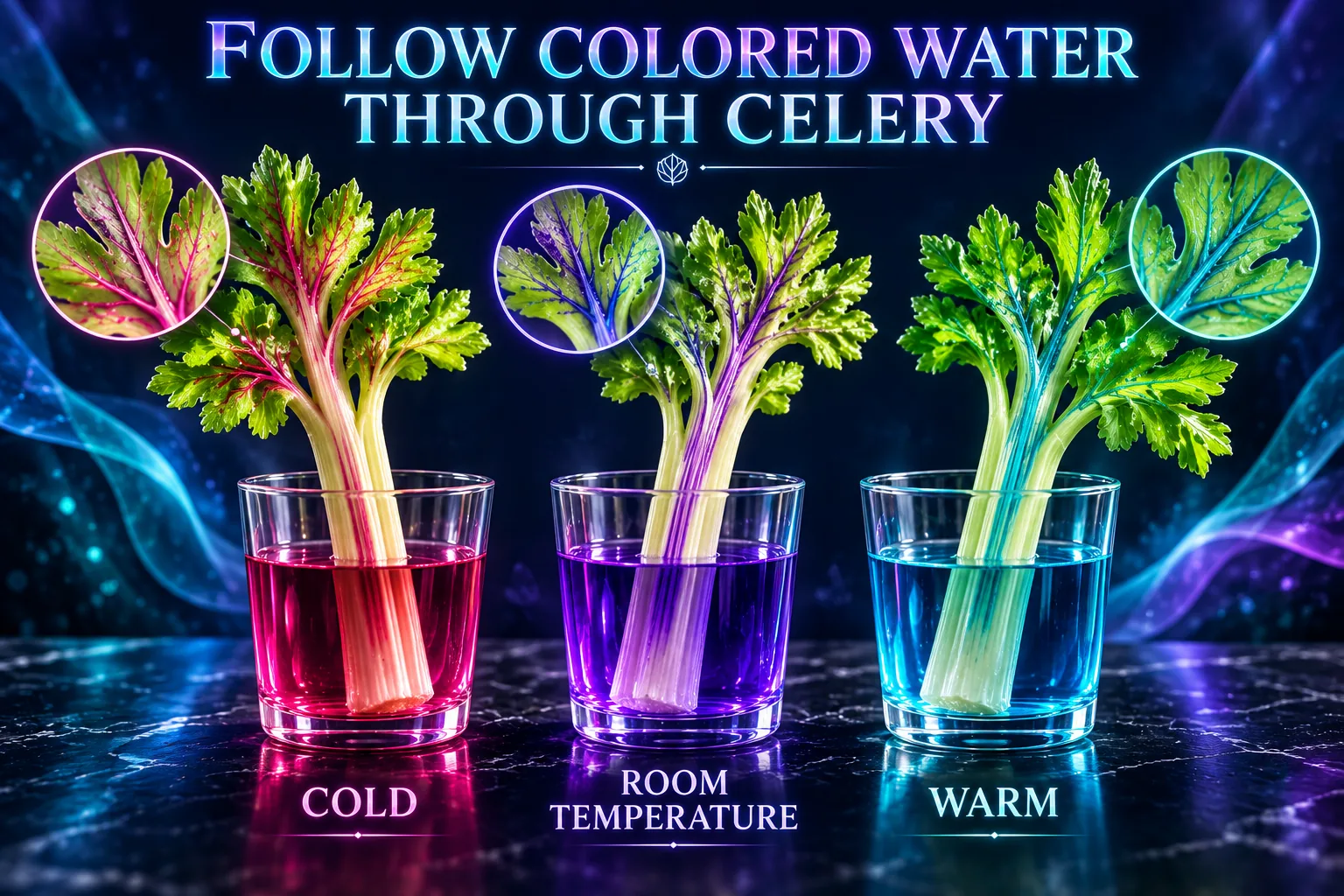
Study cells and organisms, heredity, body systems, plant processes and the interactions that keep living things alive. Published labs include osmosis, strawberry DNA, enzyme activity, plant growth and water transport.
8 related lab files
02 / Published investigations
Physical Science
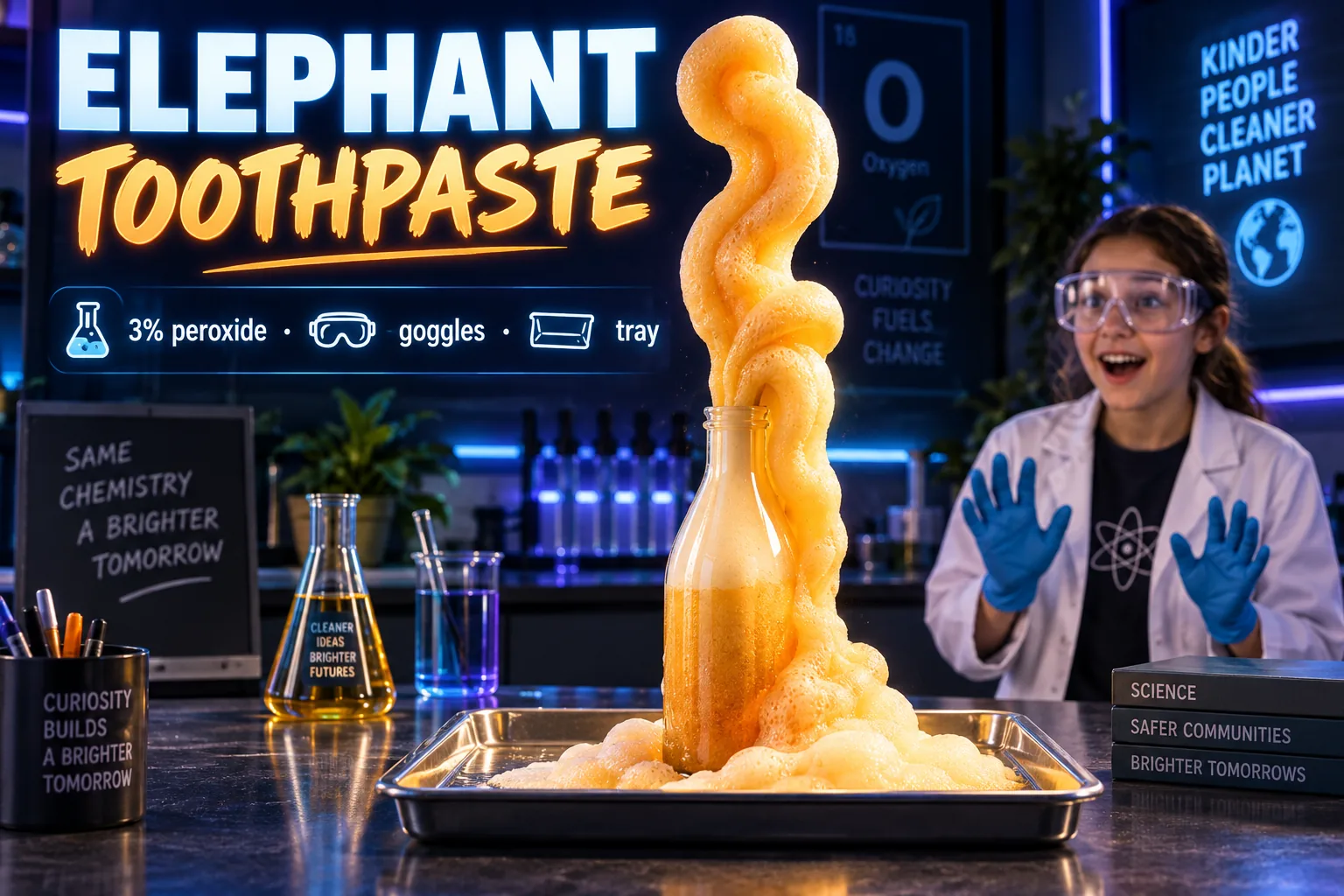
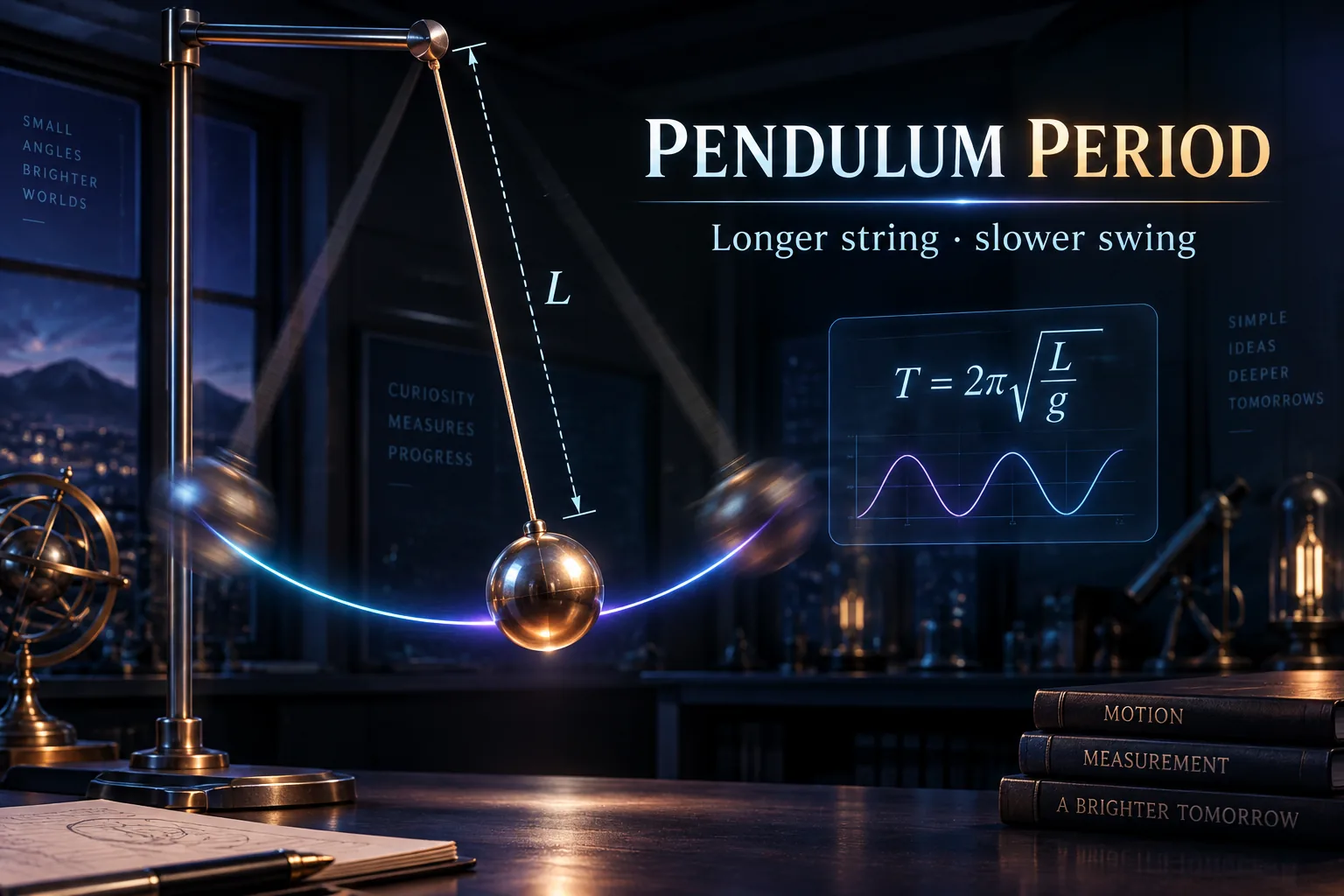
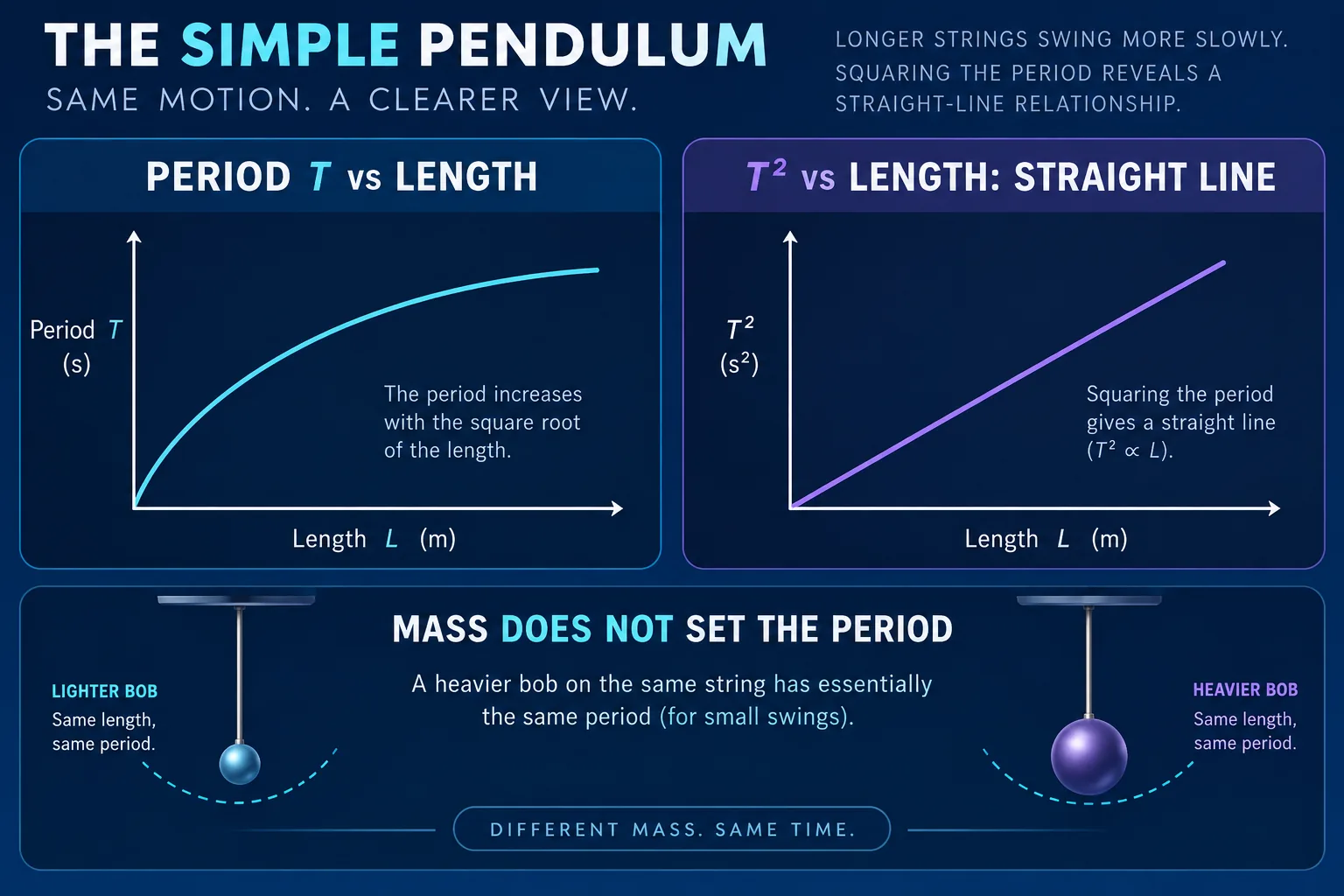
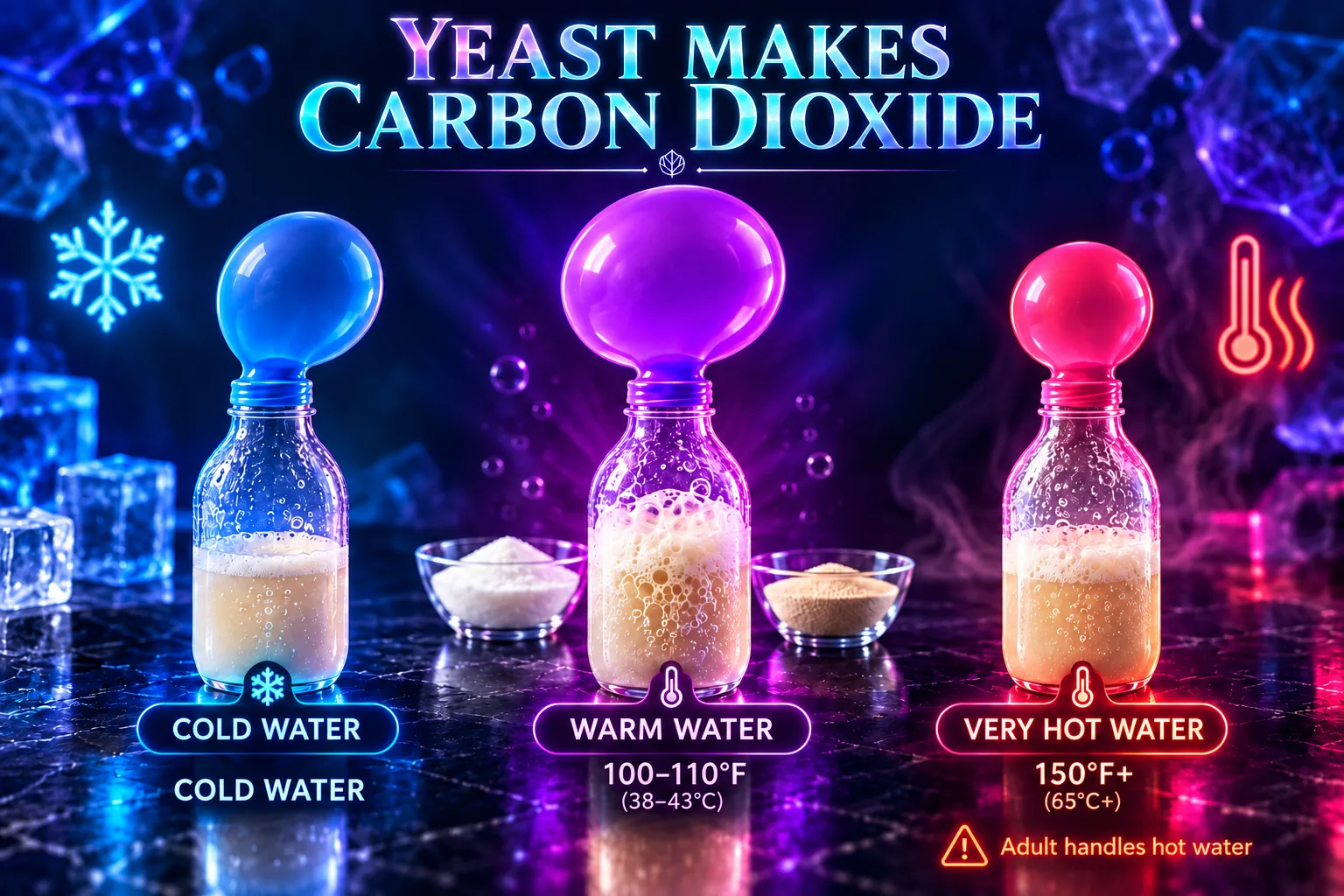
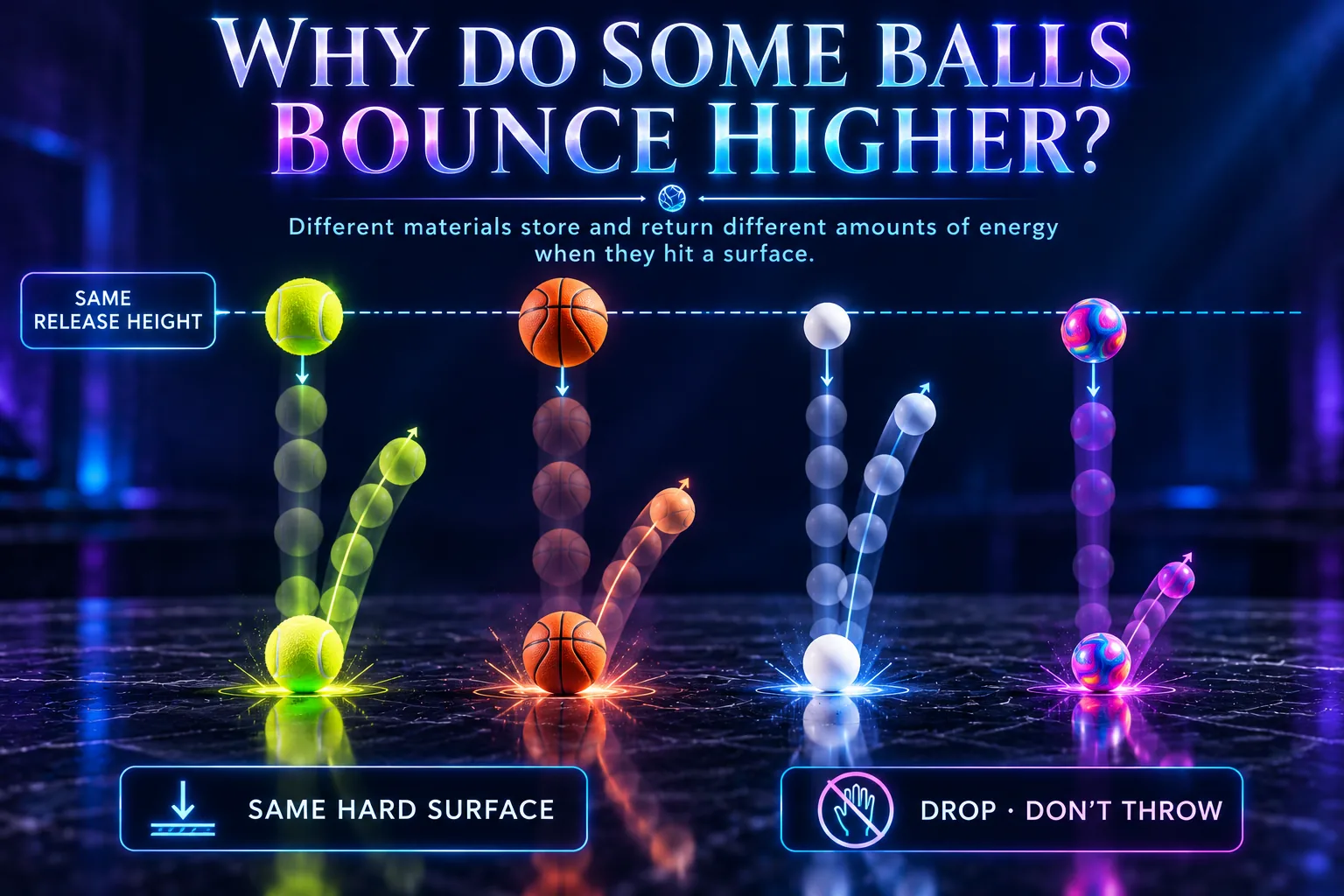
Explore matter and its properties, chemical reactions, forces, motion and energy. The site groups chemistry and physics here, as NGSS does, while each lab card still shows its specific subject.
20 related lab files
EARTH SYSTEMS / SPACE SYSTEMSOne planet. Connected systems.
03 / Planned collection
Earth & Space Science
This domain covers Earth materials and systems, weather and climate, space systems and Earth’s place in the universe. Dedicated field files for these topics are not in the current library yet.
No published lab files yet
04 / Design challenges
Engineering & STEM
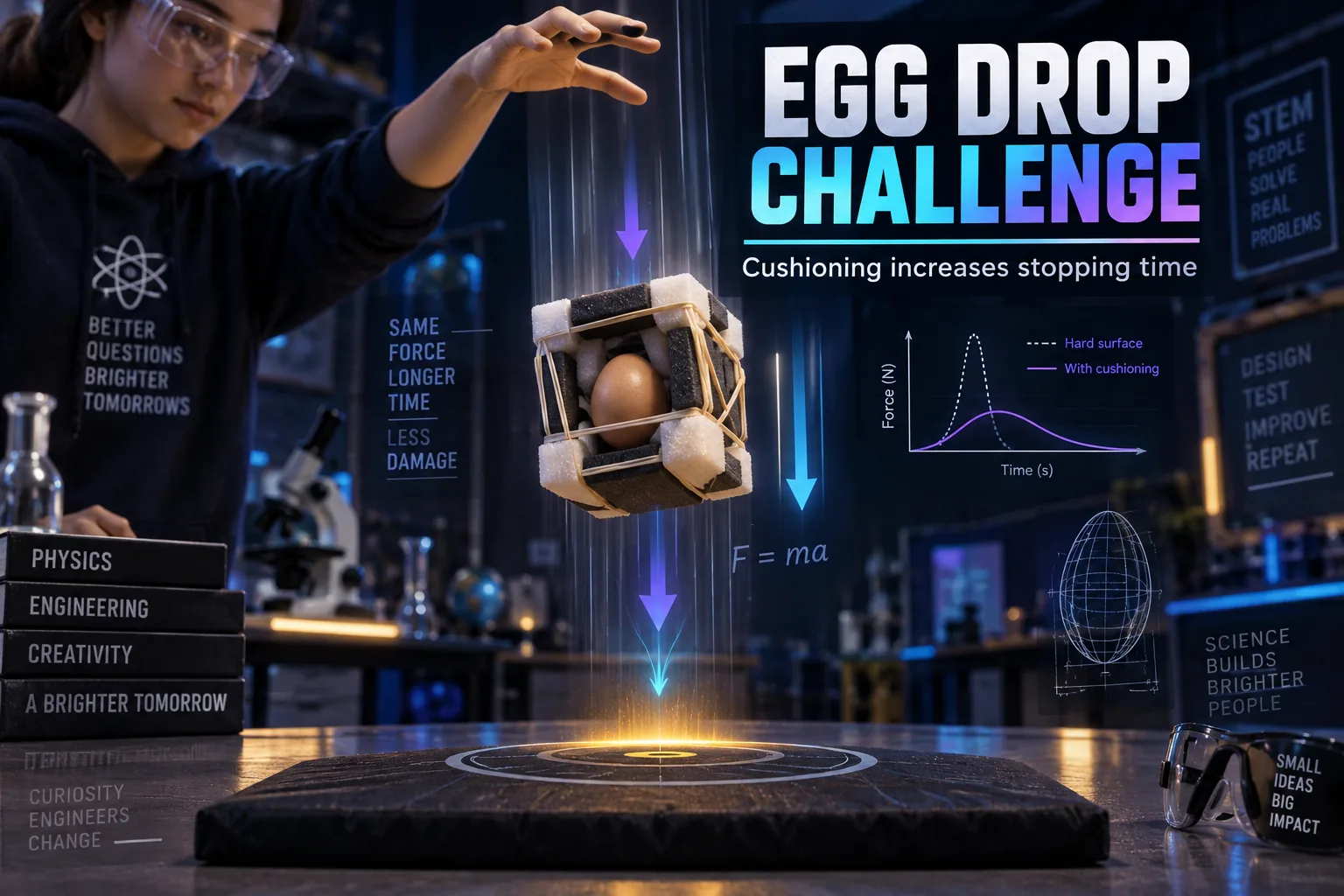
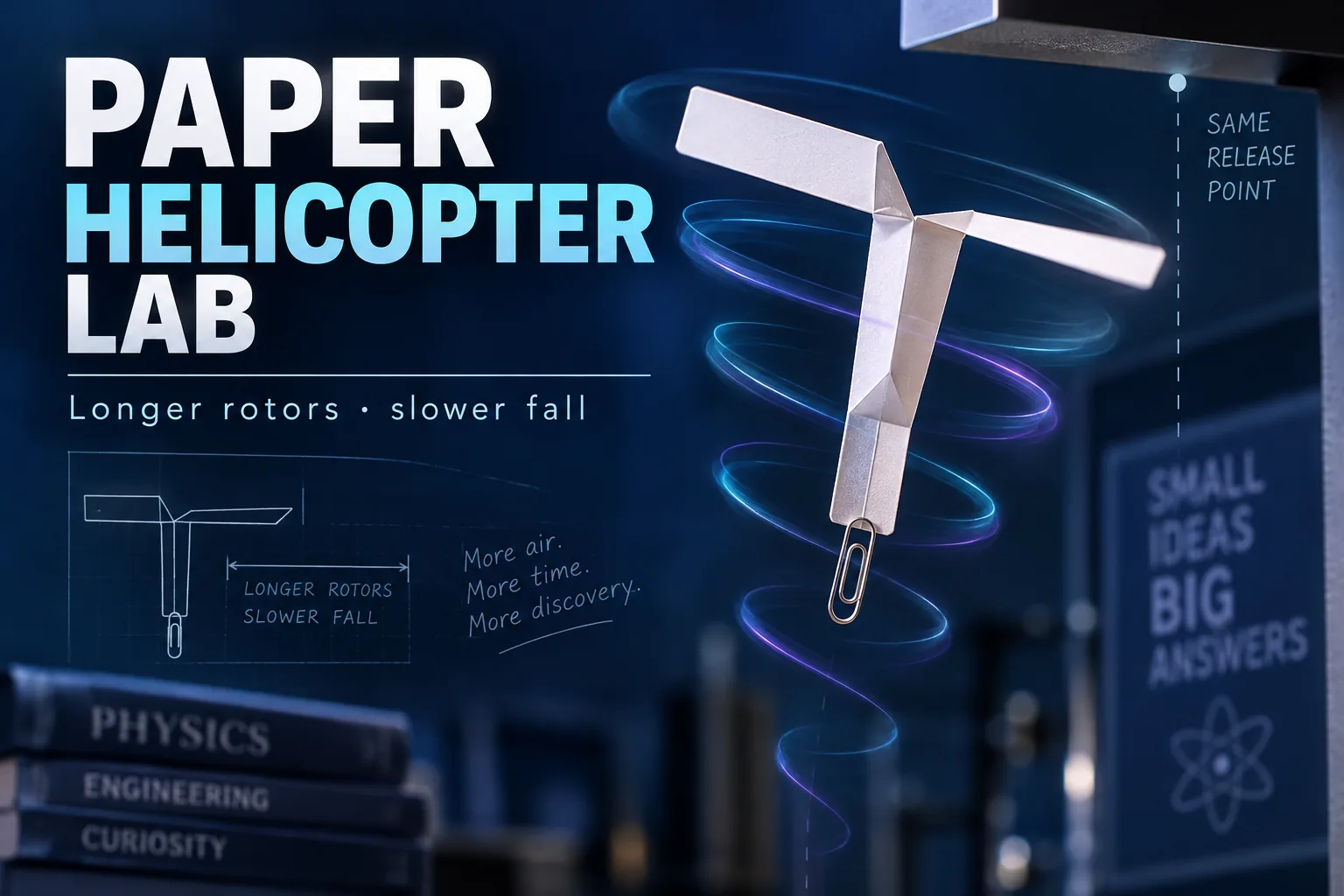
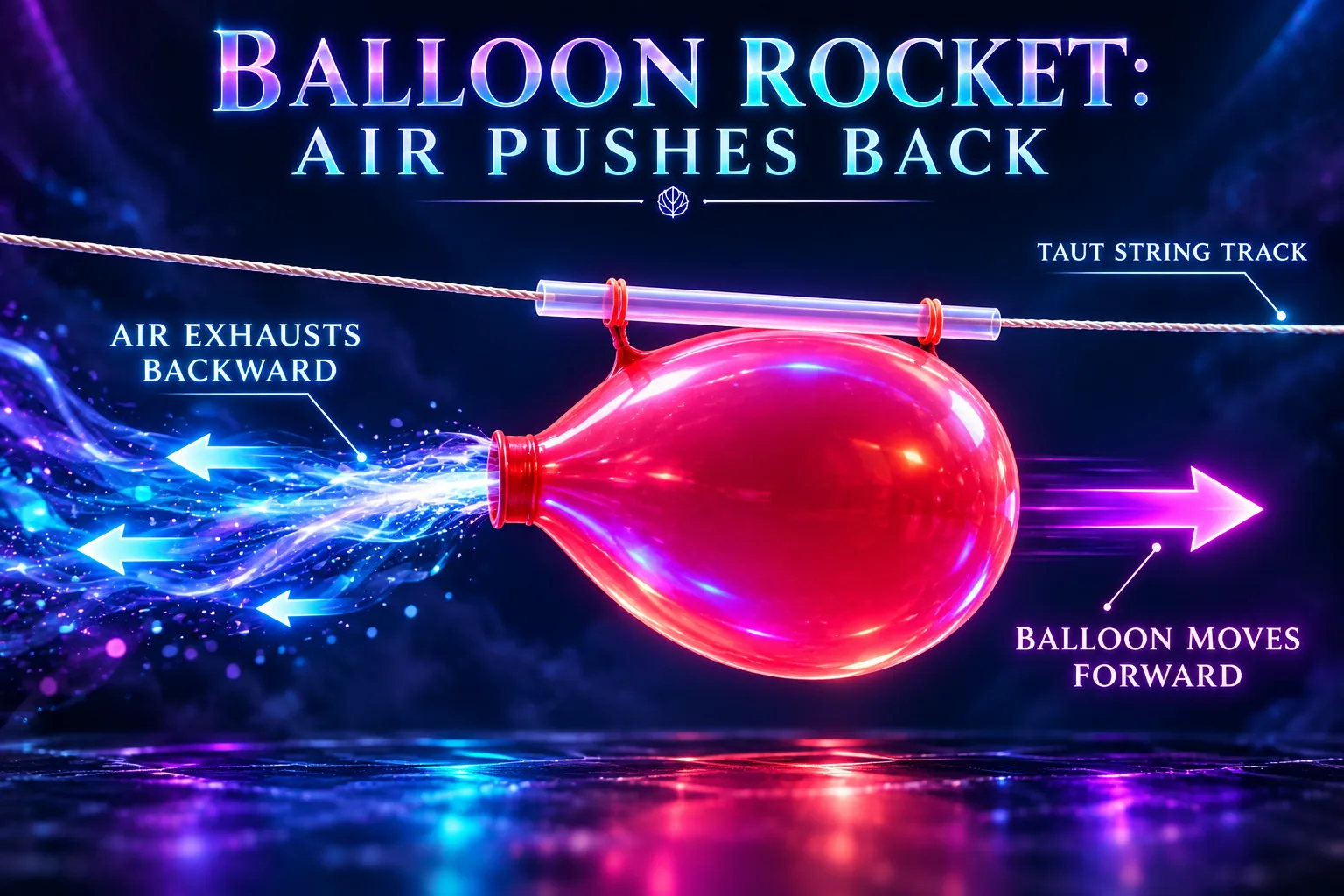
Engineering starts with a problem, criteria and constraints; learners plan a solution, test it, use evidence and improve the design. Current challenges include egg-drop, paper-helicopter and balloon-rocket builds.
3 related lab files
Environmental science is a cross-topic lens. Climate, ecosystems, resources and human impacts connect Earth systems with life and physical science. They are not a fifth NGSS domain, so the site will tag those topics across the relevant collections as dedicated lessons are added.
// FIELD FILE INDEX
Find an investigation
Choose a science domain and grade band. A lab appears when its published grade range overlaps the band; check each procedure and safety notes before assigning it.
28 field files
All investigationsBrowse every published experiment, then narrow the collection by grade band or science domain.
A topic can be introduced with a simple observation, then revisited with stronger measurements and explanations. Use each field file’s grade range and safety notes to decide whether it fits the learner.
K–2
Start with visible changes, sorting, comparing and recording simple observations. A few existing investigations begin at Grade 2; there is not yet a full K–2 worksheet sequence.
Grades 3–5
Ask a focused question, change one factor, make repeated observations and describe a pattern with a simple table or graph.
Grades 6–8
Plan a fair test, identify variables, use measurements and explain how evidence supports or challenges a claim.
Grades 9–12
Use quantitative models, uncertainty, relationships between variables and more advanced explanations. Current upper-grade coverage is limited; AP course materials are not published yet.
// HOW TO USE A FIELD FILE
Science content works best when ideas meet evidence
These are useful planning lenses for teachers and learners. They describe the NGSS framework; they do not certify a lab as standards-aligned by themselves.
CORE IDEAS
What is being explained?
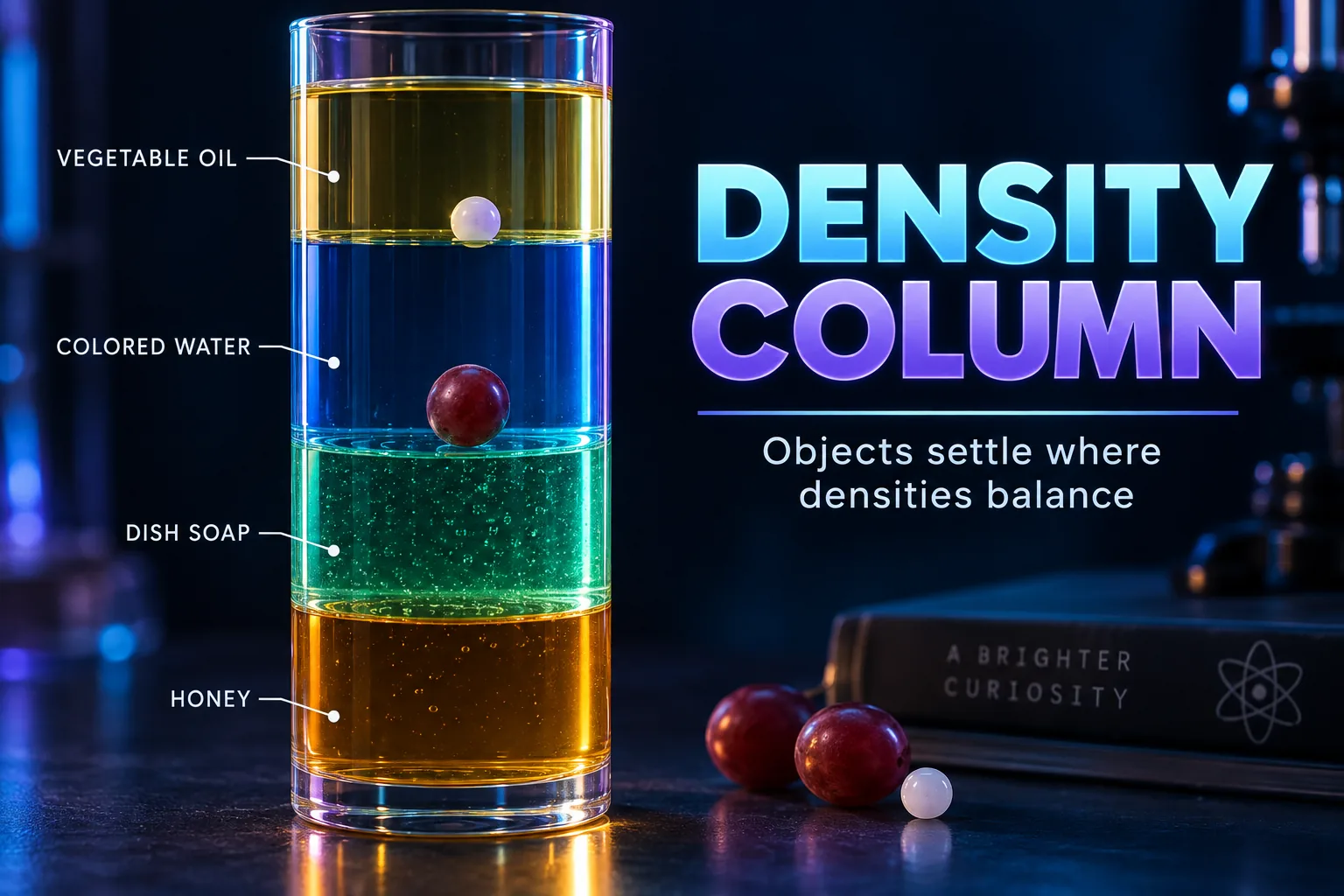
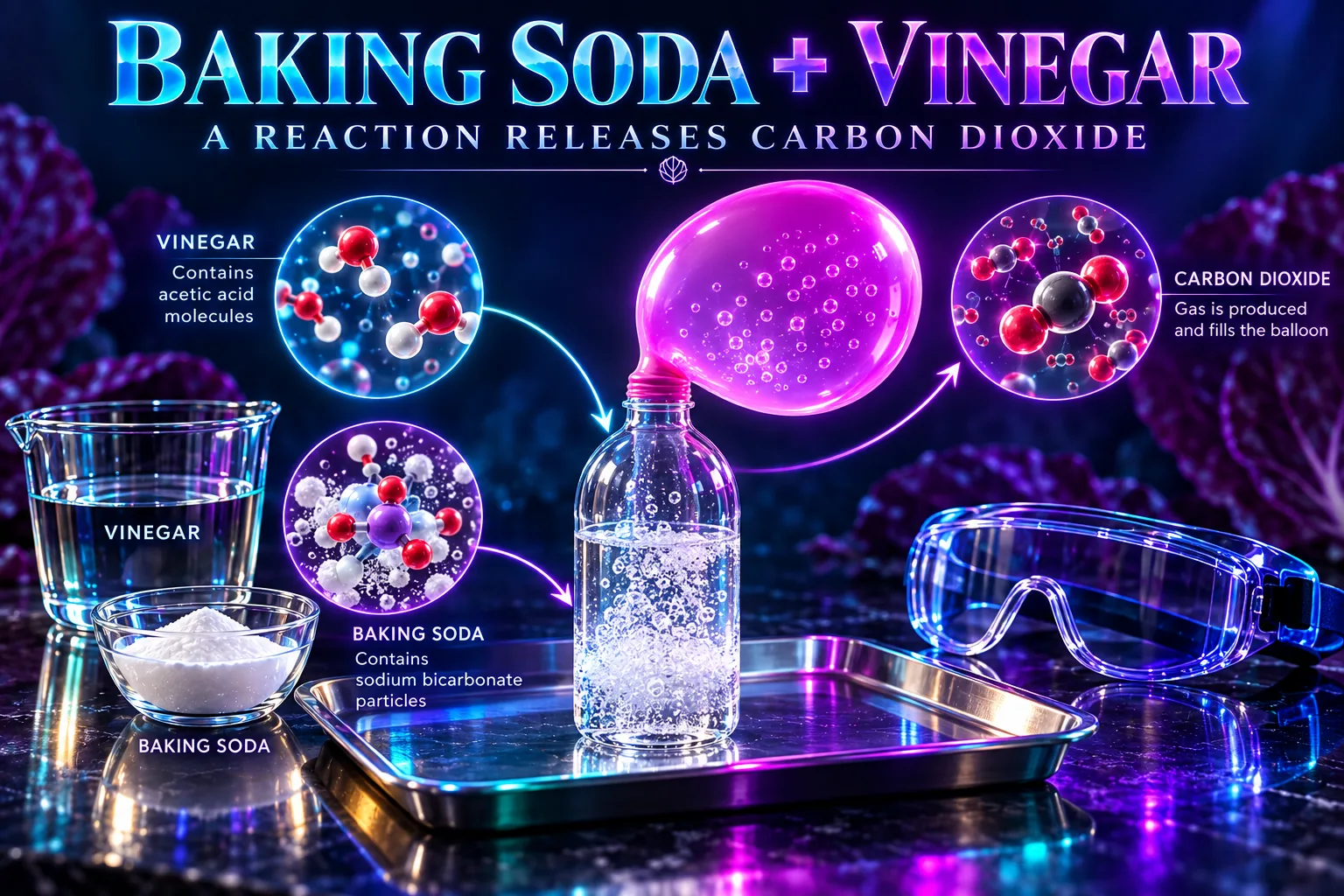
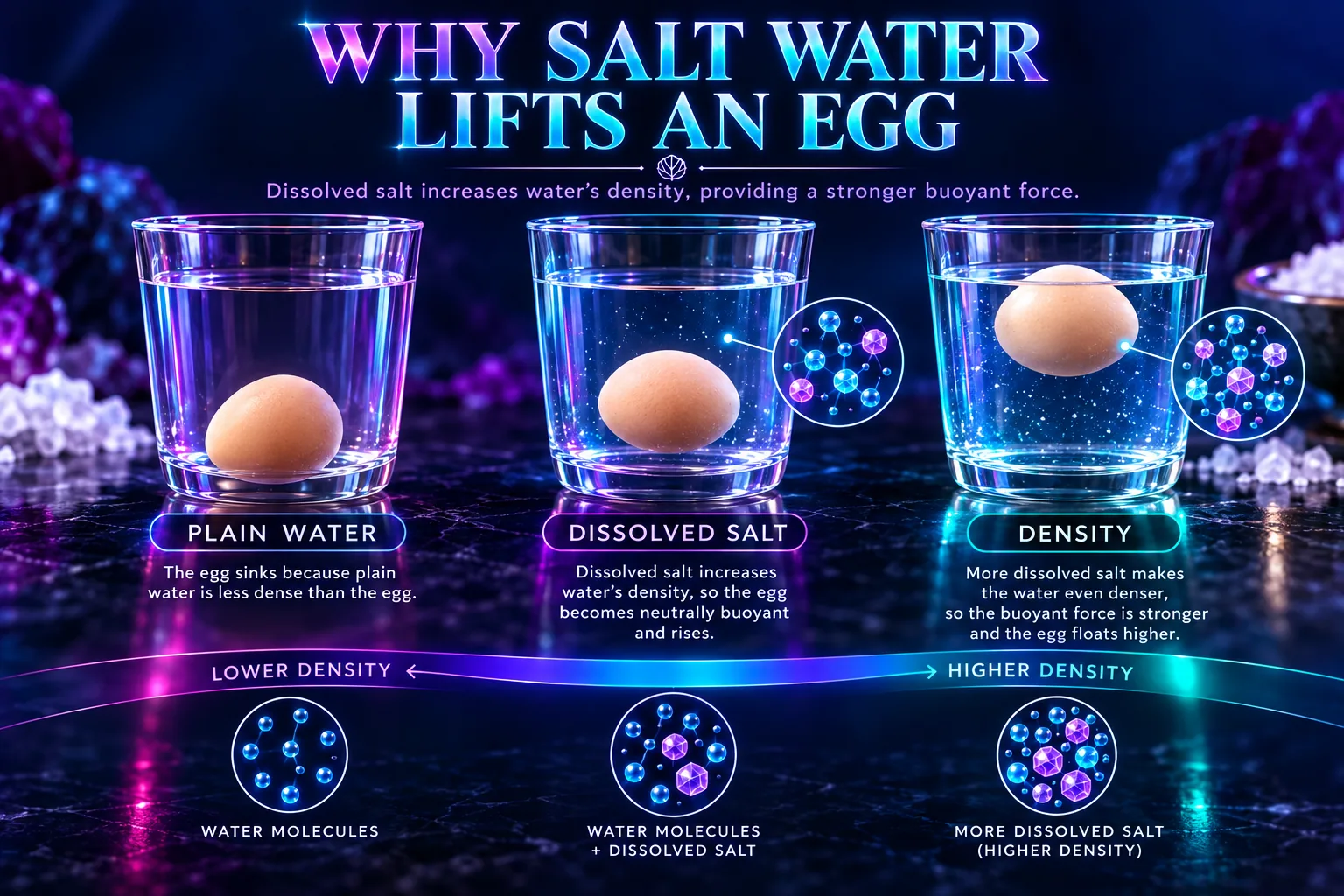
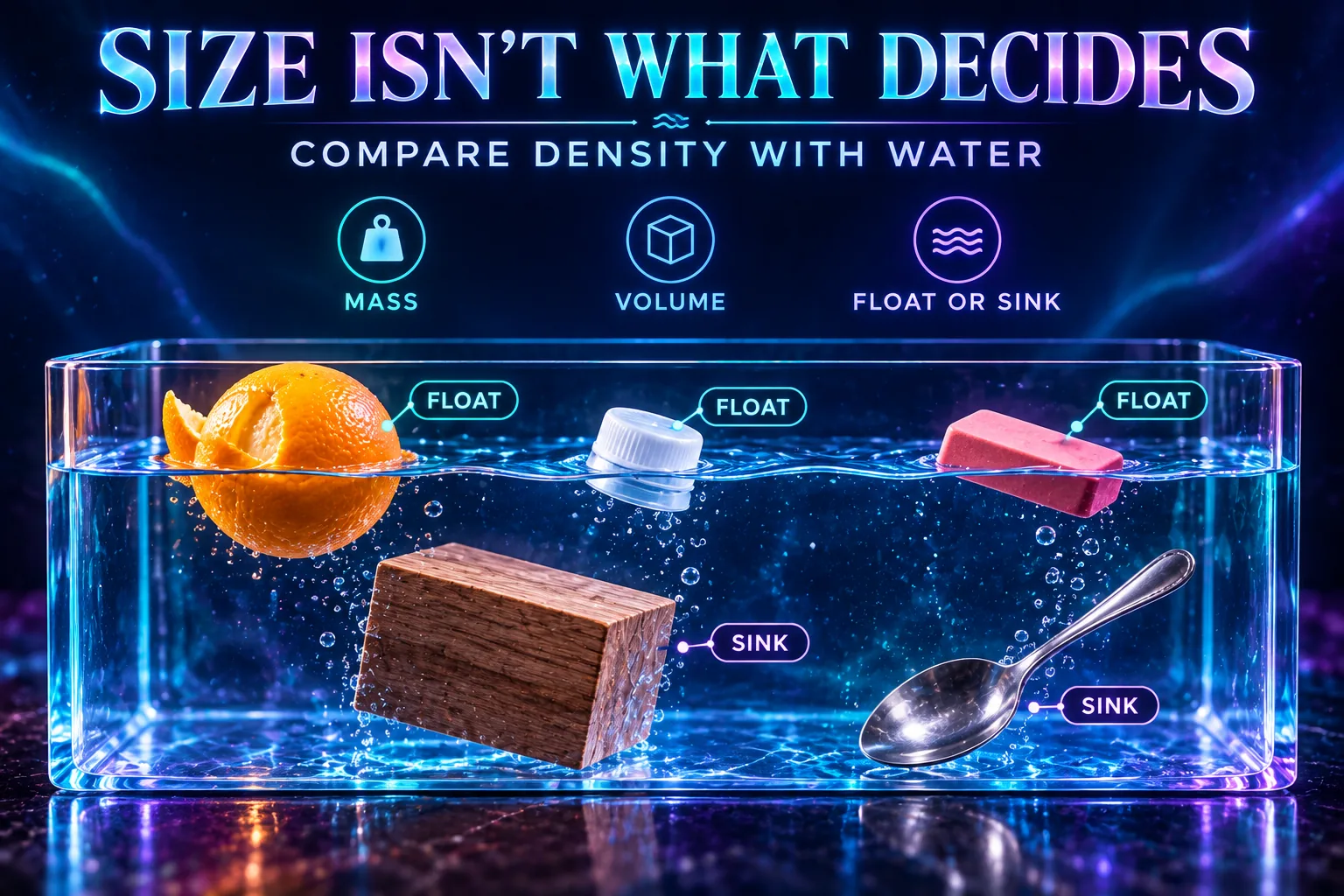
Choose a phenomenon or system—such as a plant moving water, a liquid supporting an object, or a reaction making gas—and identify the science idea that can explain it.
SCIENCE & ENGINEERING PRACTICES
What will learners do?
Plan an investigation or design, measure or observe carefully, analyze data, build an explanation and communicate what the evidence shows.
CROSSCUTTING CONCEPTS
What pattern links topics?
Use cause and effect, systems, patterns, energy and matter, or stability and change to connect learning across biology, chemistry, physics and Earth science.
For formal standards planning, check the official NGSS standards and their three dimensions. Lab Dossier will add performance-expectation codes only when a resource has been checked against the full expectation.
// KEEP BUILDING THE INVESTIGATION
Make a plan, then work with real evidence
Pair a topic with the scientific method, a measurement skill or a classroom lab file. Every lab card links to its own procedure and printable data sheet.